Iconic Devices That Defined Entire Generations
Iconic devices define generations because they change what people carry, watch, hear, create, play, and expect from technology. A device does not become iconic only because it sells well. It becomes iconic when it shapes behavior and becomes part of cultural memory. Some devices made computing personal, some made music portable, some made gaming social, and some turned communication into a constant part of daily life.
A: Only if it solves a real problem or improves support, security, or performance enough to justify the cost.
A: Specs matter, but comfort, reliability, software, warranty, and compatibility often matter just as much.
A: Start with your workload, set a budget, check reviews, and include accessories or subscriptions.
A: It helps with syncing and backup, but important files should still have a recovery plan.
A: Use updates, strong passwords, multi-factor authentication, and regular backups.
A: No. The best value is the product that fits the task without unnecessary complexity.
A: It depends on the category, but update support and repairability are strong clues.
A: Avoid buying into a system before checking compatibility and long-term costs.
A: Reviewers test different workloads, priorities, prices, and expectations.
A: Whether the technology makes daily use easier, safer, clearer, or more reliable.
Personal Computers Changed Work and Learning
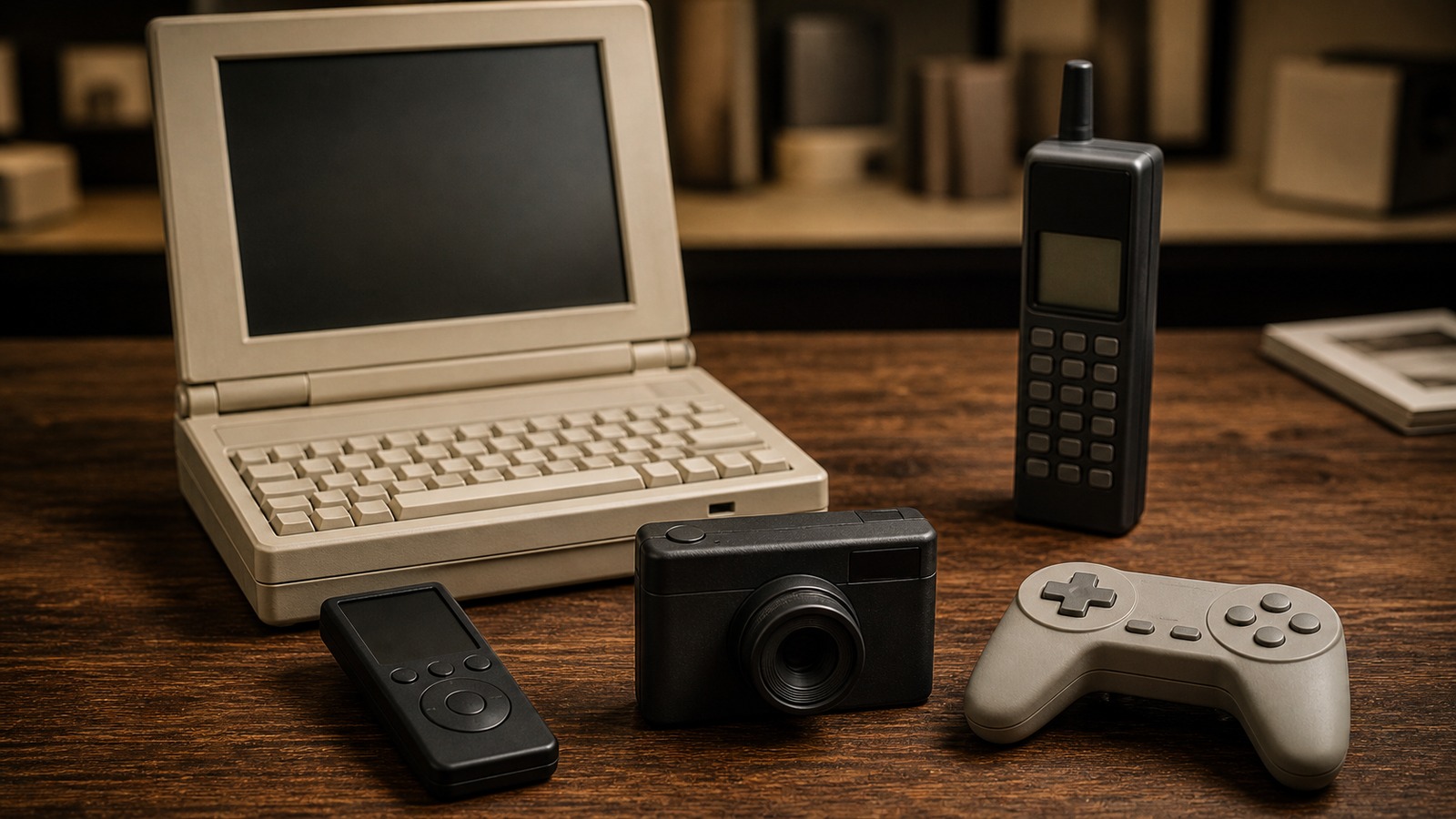
The personal computer moved computing from institutions into homes, offices, schools, and small businesses. It changed writing, spreadsheets, programming, gaming, research, and creative work. It also introduced the idea that ordinary people could control powerful digital tools.
Portable Music Players Changed Listening
Portable cassette players, CD players, MP3 players, and later phones changed where music lived. Music became something people carried through commutes, workouts, school days, and private moments. That changed both technology and culture.
Game Consoles Created Shared Worlds
Game consoles brought digital play into living rooms and bedrooms across generations. They defined childhoods, friendships, competition, storytelling, and online communities. The most iconic consoles are remembered for the games and memories they enabled.
Mobile Phones Changed Availability
Early mobile phones changed the meaning of reachability. People no longer had to be near a landline to make plans or respond to emergencies. As phones became smaller and cheaper, communication became more immediate and personal.
Smartphones Became the Central Device
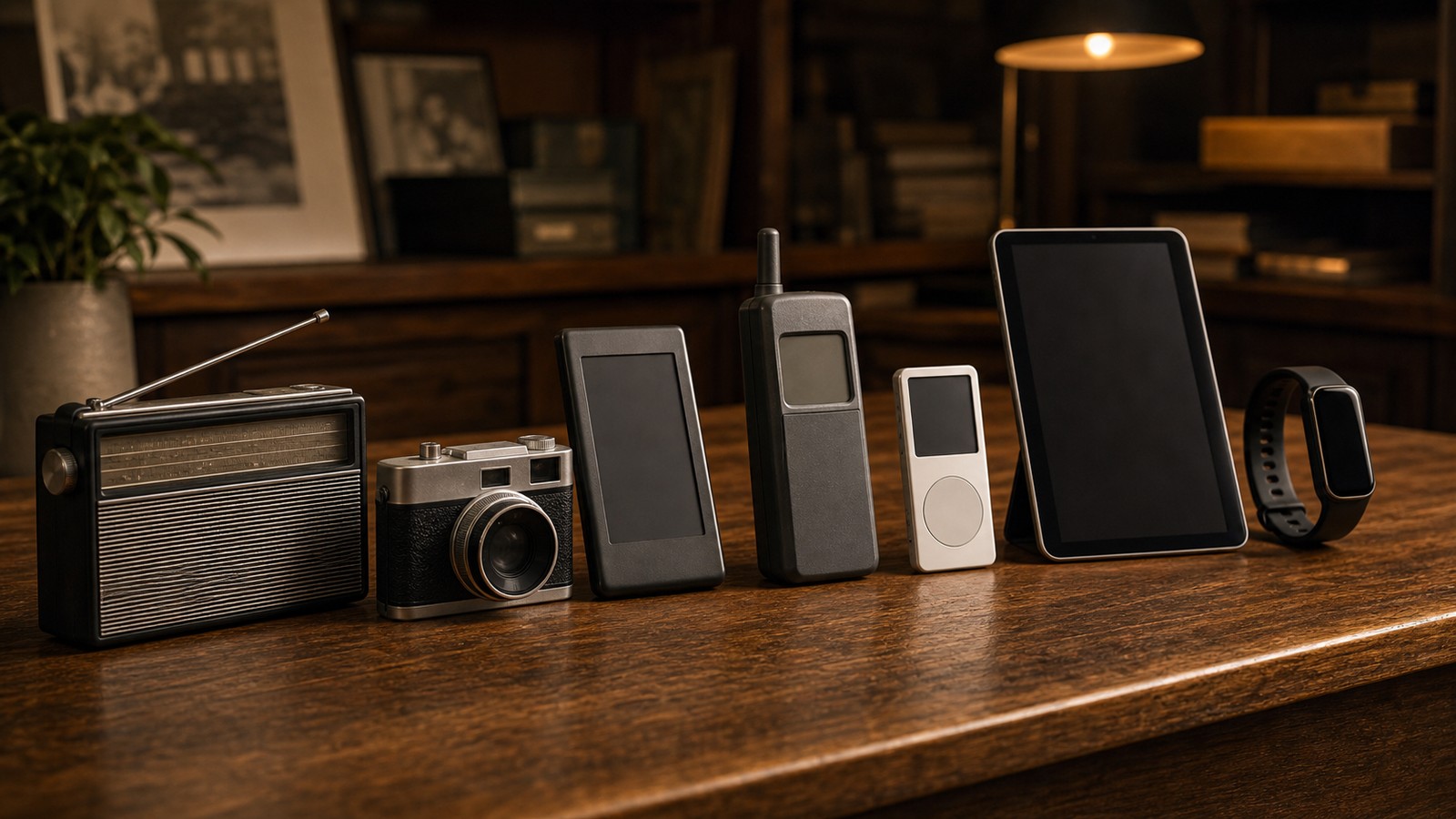
The smartphone absorbed the camera, music player, map, browser, calendar, wallet, flashlight, game device, and communication hub. It is one of the clearest examples of a device defining a generation because it changed public behavior almost everywhere.
Digital Cameras Changed Memory
Digital cameras removed the cost and delay of film. Camera phones then made documentation constant. People began capturing ordinary life, not only special events, and sharing those images instantly.
E-Readers Changed Reading Habits
E-readers made large libraries portable and adjustable. Travelers, commuters, and heavy readers gained a new way to carry books. They did not replace print, but they changed expectations around access, storage, and convenience.
Wearables Made Health Data Personal
Fitness trackers and smartwatches put steps, heart rate, sleep, notifications, and payments on the wrist. They made casual health tracking mainstream and helped technology move from pockets onto bodies.
Iconic Design Becomes a Shortcut
People remember silhouettes, startup sounds, controllers, click wheels, keyboards, and packaging. Design details become shortcuts for whole eras because they connect technology to emotion and memory.
Influence Is the Real Test
An iconic device leaves patterns behind. Competitors copy it, users expect its features, and later products build on its assumptions. That influence matters more than whether the original device still looks advanced today.
What to Check Before You Commit
Before relying on iconic devices define generations when they change habits, culture, communication, and expectations, check the practical requirements: hardware, software, accounts, subscriptions, setup time, security settings, and the level of technical comfort required. A tool that looks simple in a demo can feel very different when it has to fit a real home, office, school, or small business.
The best decision comes from matching the technology to the user rather than forcing the user to adapt to the technology. Think about who will maintain it, who will troubleshoot it, and whether the benefit is still clear after the excitement fades.
Compatibility Can Decide the Experience
Technology rarely operates alone. Devices, apps, operating systems, browsers, accessories, accounts, file formats, and networks all have to work together. Compatibility problems are one of the fastest ways for a good idea to become frustrating. A careful buyer or user should check platform support, update policies, export options, and whether the tool works with what they already own. The smoother the fit, the more likely the technology becomes useful instead of becoming another isolated gadget or app.
Security Should Be Built In Early
Every connected technology brings some security responsibility. Strong passwords, multi-factor authentication, software updates, trusted downloads, careful permissions, and backup plans matter even for tools that seem ordinary. Security is easier when it is part of the setup from the beginning. Waiting until something goes wrong can make recovery harder, especially when accounts, personal files, financial information, or work data are involved.
Privacy Deserves a Plain-Language Review
Many modern tools collect data about behavior, location, usage, voice, images, files, or user choices. That data can improve features, but it can also create exposure if settings are unclear or policies change. A practical privacy review asks what is collected, where it is stored, who can access it, whether it can be deleted, and whether the tool still works if optional tracking is turned off. People should not have to trade unnecessary information for basic convenience.
Cost Is More Than the Purchase Price
The sticker price rarely tells the whole story. Subscriptions, accessories, cloud storage, replacement parts, electricity, repairs, warranties, training time, and switching costs can all change the real value. A smart technology decision includes the first year of ownership and the likely cost after that. If a product becomes expensive only after the user is locked in, the initial bargain may not be a bargain at all.
Maintenance Keeps Technology Useful
Good technology still needs care. Updates must be installed, files need organization, batteries wear down, settings drift, accounts change, and hardware eventually ages. Maintenance does not have to be complicated, but it should be expected. A simple routine of updates, backups, password review, cleaning, and occasional performance checks can extend the useful life of almost any technology.
Accessibility Makes Better Products
Accessible technology helps more people use the same tool comfortably. Good contrast, readable text, keyboard support, captions, voice control, adjustable notifications, and clear error messages are not niche features. They also improve the experience for everyone. A product that is easier to see, hear, understand, repair, and control is usually a better product, even for users who do not think of themselves as needing accessibility support.
When to Upgrade and When to Wait
New technology creates pressure to upgrade, but the best time to buy is not always the launch window. Early products can be expensive, buggy, limited, or dependent on standards that are still settling. Waiting can bring better prices, stronger reviews, software updates, and clearer compatibility. Upgrade when the new tool solves a real problem, not only because it feels newer than what already works.
The Human Factor Still Matters
The success of iconic devices define generations when they change habits, culture, communication, and expectations depends on people as much as specs. Training, habits, patience, trust, and clear expectations shape whether a tool becomes part of daily life. A technically powerful system can fail if users do not understand it or do not want it. A simpler system can succeed when it fits the way people already think, work, learn, and communicate.
A Practical Way to Judge the Technology
The easiest way to judge iconic devices define generations when they change habits, culture, communication, and expectations is to ask what changes after adoption. Does it save time, reduce risk, improve quality, make information clearer, or open a capability that was not realistic before? If the answer is vague, wait. Strong technology does not need inflated promises. It earns trust by working consistently, explaining its limits, and making life or work measurably easier.
Setup Quality Shapes Long-Term Results
Many technology problems begin during setup. Rushed configuration can lead to weak passwords, messy accounts, confusing names, missing backups, disabled updates, or devices placed where they perform poorly. A careful setup does not need to be slow, but it should be deliberate. Label devices clearly, write down recovery methods, check update settings, and confirm that the most important features work before depending on the system.
Troubleshooting Should Be Part of the Plan
Every technology eventually needs troubleshooting. Apps freeze, networks drop, devices stop syncing, storage fills up, and settings change after updates. The best tools make recovery understandable. Clear error messages, searchable support pages, export options, reset steps, and human support channels can matter as much as headline features when something breaks.
Performance Claims Need Context
Speed, battery life, storage, response time, and reliability often depend on real conditions. A product may perform well in ideal tests but slow down with older hardware, weak networks, large files, or heavy multitasking. When comparing options, look for reviews and examples that resemble your actual use. The right question is not only how fast the tool can be, but how consistently it performs under ordinary pressure.
Ownership and Exit Options Matter
Modern technology often depends on accounts, cloud services, app stores, and subscriptions. That can be convenient, but it can also make users dependent on a provider’s prices, policies, and long-term support. A healthy setup includes exit options. Users should know whether they can export files, move data, switch platforms, keep local copies, or continue using the product if a service changes.
A Good Upgrade Should Reduce Friction
The simplest test is whether the technology removes more friction than it creates. A new system should make a task clearer, faster, safer, more reliable, or more accessible. If it adds more alerts, accounts, cables, chargers, settings, or confusion than the old method, it may not be an upgrade yet. Mature technology earns its place by becoming easier to live with over time.
Documentation Saves Future Time
A few notes can prevent future headaches. Record important account names, warranty details, device models, setup choices, backup locations, and any settings that were changed from the default. Documentation is especially useful when technology is shared by a household or team. If only one person understands the setup, every small problem becomes dependent on that person being available.
The Best Version Feels Useful After the Novelty Fades
New technology often feels exciting during the first week. The better test comes later, when the product is no longer new and the user simply expects it to work. If iconic devices define generations when they change habits, culture, communication, and expectations still saves time, reduces stress, improves quality, or makes a task easier after the novelty fades, it is probably serving a real purpose rather than just adding another layer of complexity.
Bottom Line on Iconic Devices
Iconic devices define generations when they change habits and expectations. The most important devices become cultural memory because people remember how life felt before and after them.
Final Buying Perspective
The safest technology choice is the one that still makes sense after the comparison chart is closed. A product should fit the space, the budget, the user, the maintenance plan, and the software or service ecosystem around it. That practical view keeps the decision grounded. Strong technology does not have to be perfect, but it should make the next few years easier instead of adding avoidable complexity.
What Makes the Choice Hold Up
The best technology choice is the one that continues to feel useful after setup, updates, accessories, and daily habits are included. A strong option should reduce friction, protect important data, and remain understandable when something needs to be changed later. That long-term view matters because technology is not only purchased once. It is used repeatedly, maintained over time, and judged by whether it keeps helping after the first impression fades.
Practical Adoption Check
Before committing to this technology choice, compare the promised benefit with the real adoption work. Setup, training, maintenance, security, support, and user habits all shape whether the idea succeeds after launch. A strong decision should still look sensible after those everyday details are included. That is the difference between technology that sounds impressive and technology that actually improves the way people work or live.