
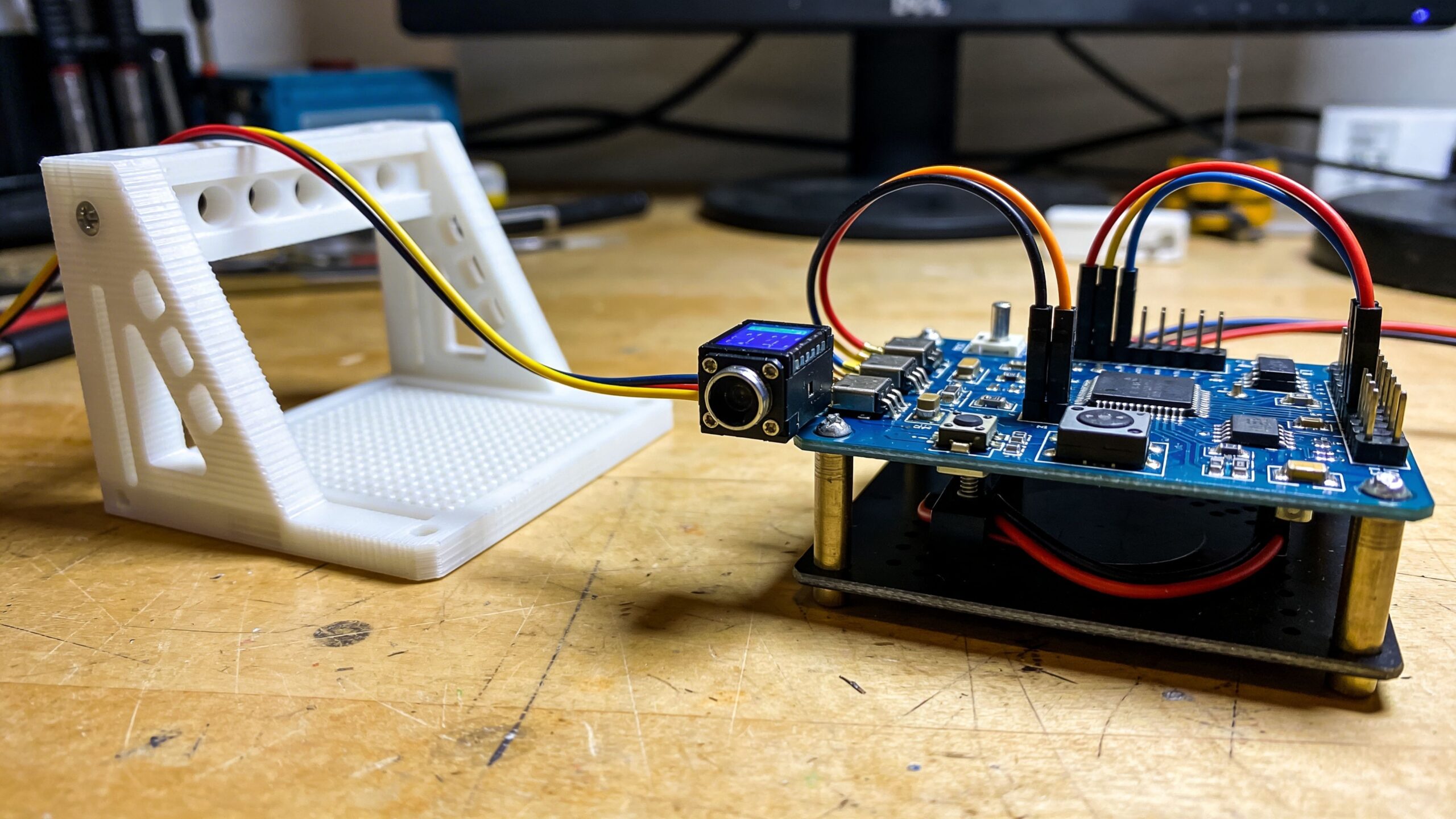
Experimental Builds are where technology stops being a theory and starts becoming a thing you can power on, stress-test, and break on purpose. This Technology Streets hub is a showcase of brave prototypes, strange test rigs, and rapid-fire iterations—the kind that turn napkin sketches into humming machines, reliable workflows, and surprising breakthroughs. Here, “unfinished” is a feature: exposed wiring, rough brackets, temporary firmware, and taped-on sensors are all part of the story. You’ll explore build logs, materials experiments, clever hacks, and hard lessons learned from prototypes that failed loudly so the next version could succeed quietly. From quick mechanical mockups and 3D-printed revisions to improvised measurement setups and proof-of-concept electronics, Experimental Builds celebrates the messy middle where innovation actually happens. Expect practical guidance on planning tests, capturing results, managing risk, and deciding what to change first. If you love the thrill of trying something unproven—or you want a clearer path from idea to repeatable build—this is your playground. Follow along as concepts evolve, constraints sharpen creativity, and every iteration leaves a breadcrumb trail toward better design, smarter systems, and real-world performance.
A: A prototype made to answer a question—prove a concept, test a material, or validate a workflow.
A: Build the riskiest assumption first—what could make the whole idea fail?
A: The smallest set that proves the outcome: time, temperature, force, accuracy, power, or reliability.
A: Timebox experiments and define a clear stop condition before you start.
A: Yes—temporary is ideal for learning, as long as the test remains safe and repeatable.
A: Power and heat—voltage sag, poor grounding, and thermal drift cause strange behavior.
A: Label versions, keep a short change log, and link each test result to that version.
A: When the core function is repeatable, measurable, and stable under realistic conditions.
A: One that clearly reveals a root cause and points to a specific improvement.
A: Use current limits, fuses, guarded moving parts, and treat every test like it can surprise you.