
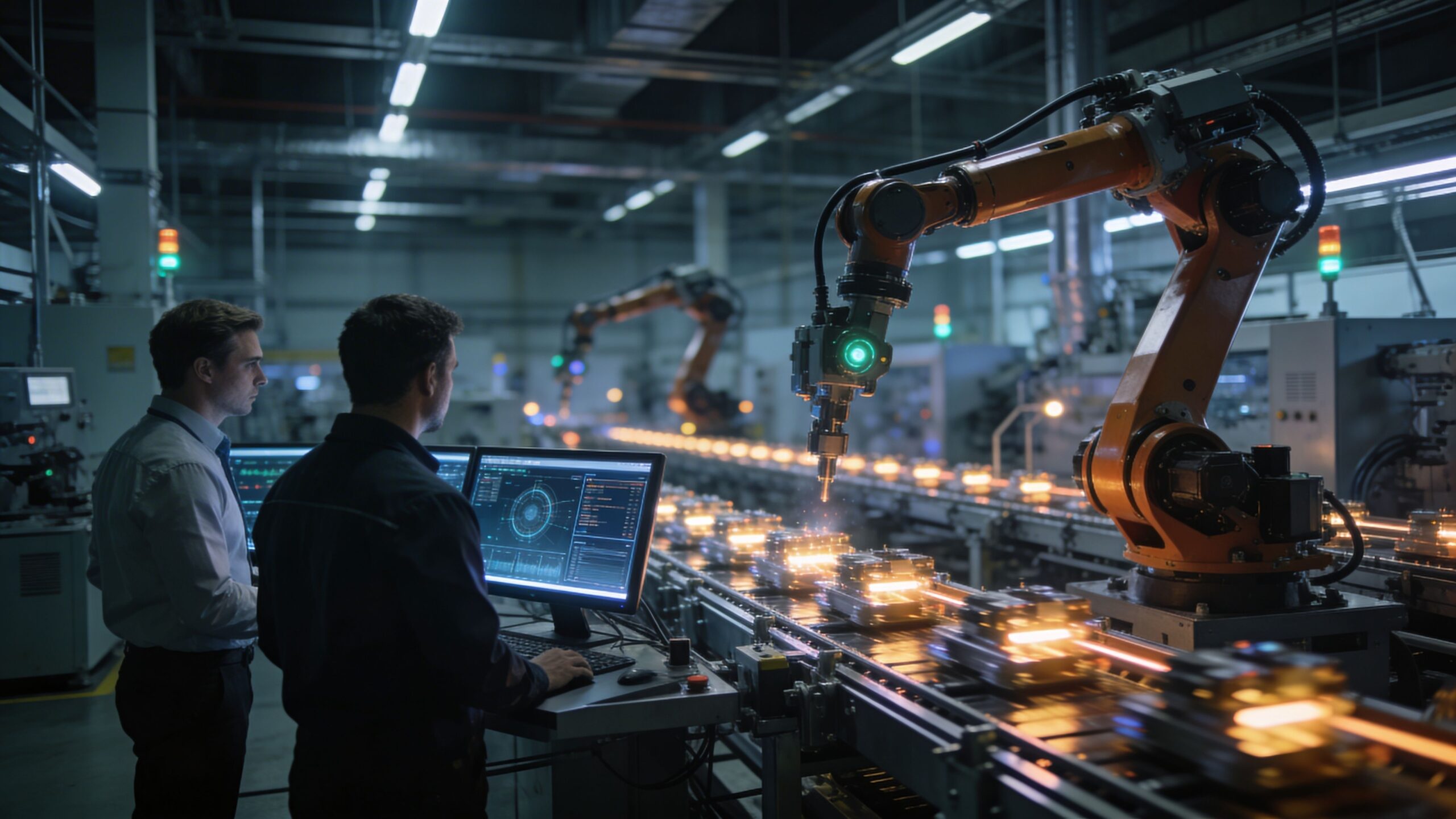
Industrial IoT is transforming the physical world into a living network of machines, sensors, software, and real-time intelligence. In factories, warehouses, energy sites, and production lines, connected devices now do far more than simply operate—they collect data, communicate with each other, and help organizations make faster, smarter decisions. What once depended on manual checks and delayed reports can now be monitored instantly through digital systems designed for speed, precision, and efficiency. This shift is changing how industries work from the ground up. Sensors track machine health before breakdowns happen, smart platforms reveal patterns hidden inside massive streams of operational data, and automated systems respond to conditions the moment they change. Industrial IoT is not just about connecting equipment; it is about creating intelligent environments where technology improves productivity, reduces waste, strengthens safety, and unlocks entirely new possibilities. On Technology Streets, the Industrial IoT section explores the connected technologies powering this revolution. From predictive maintenance and smart factories to edge computing and industrial analytics, these innovations reveal how the next generation of industry is becoming more responsive, efficient, and deeply connected than ever before.
A: It is the use of connected sensors, machines, and software in industrial settings.
A: IIoT focuses on industrial operations like factories, energy systems, and logistics.
A: It improves efficiency, visibility, maintenance, safety, and decision-making.
A: It uses live equipment data to spot issues before failures occur.
A: Sensors, gateways, controllers, cameras, connected meters, and edge devices.
A: Not always; many systems use both edge computing and cloud services.
A: No. It is also used in utilities, transportation, agriculture, and resource industries.
A: A virtual model of a physical machine, asset, or process.
A: Securing connected systems while integrating old and new equipment.
A: Yes. Many sites add sensors and gateways to modernize existing equipment.