The Most Iconic Devices of All Time (Complete Ranked List)
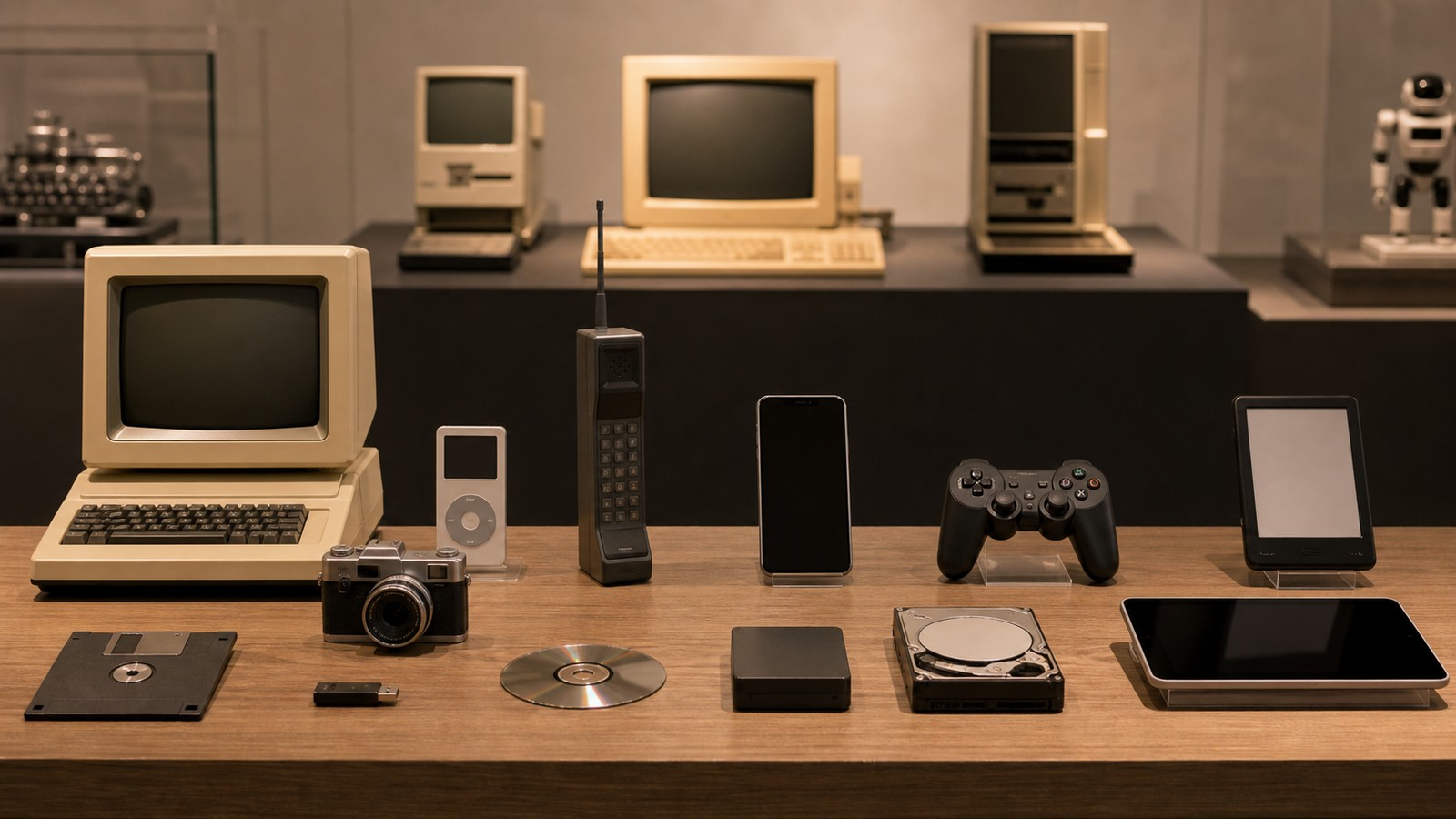
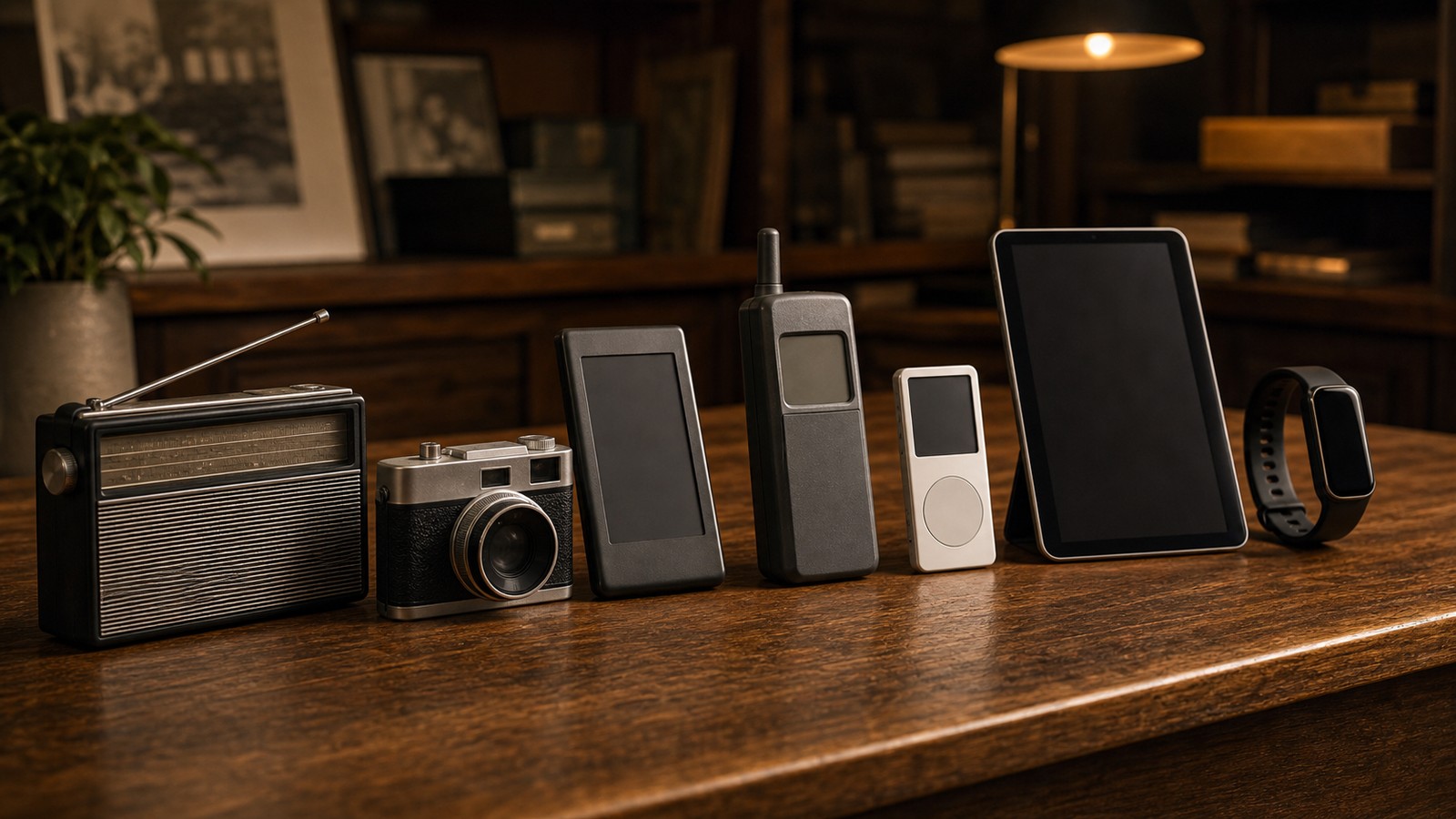
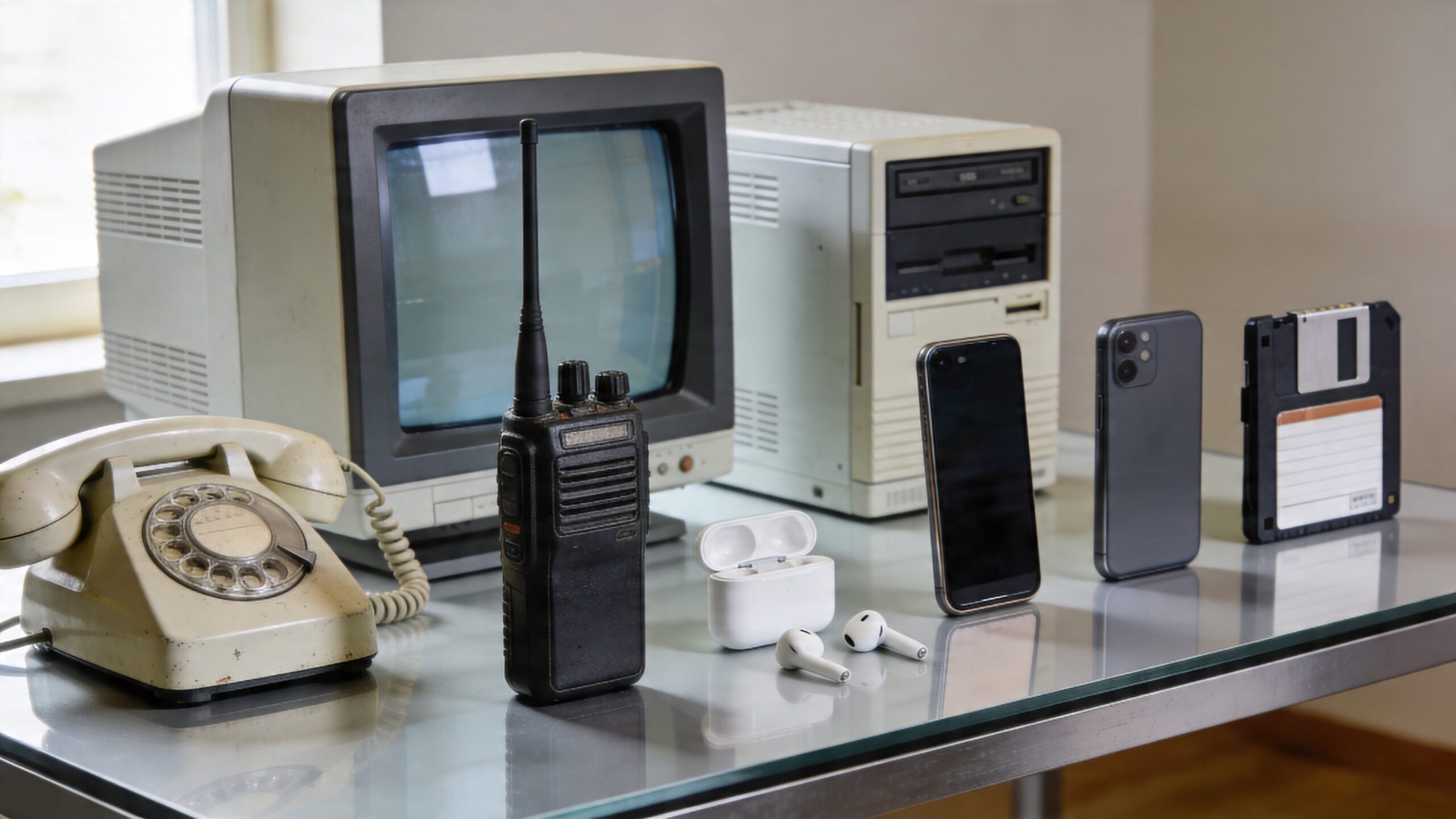
Technology history is filled with inventions that were useful, clever, or even briefly fashionable. But only a small number of devices rise above their function and become iconic. These are the machines, tools, and gadgets that do more than perform a task. They change behavior. They influence culture. They create new industries, reshape old ones, and often redefine what people expect from the future. An iconic device is remembered because it leaves a mark that outlasts its original release. Sometimes that influence is practical, as with the telephone or the personal computer. Sometimes it is emotional, as with the Walkman or the Game Boy. In many cases, the most iconic devices become so embedded in daily life that it is hard to imagine a world without them. Their success is not only measured in sales or popularity, but in the way they alter communication, work, entertainment, design, mobility, and even identity. This complete ranked list explores the most iconic devices of all time, not simply as objects, but as turning points in human progress. The ranking weighs innovation, cultural reach, longevity, global recognition, and the degree to which each device changed the way people live.
A: A mix of innovation, widespread adoption, recognizable design, and lasting cultural or practical influence.
A: No. Many iconic devices succeed by making an idea easier, better, or more popular.
A: They combined communication, computing, media, navigation, and internet access into one device.
A: Yes. Tools like refrigerators and washing machines transformed everyday life on a massive scale.
A: Great design improves usability, memorability, and emotional connection.
A: Absolutely. Routers, calculators, and typewriters prove influence matters more than glamour.
A: Not always in active use, but their influence often continues long after peak popularity.
A: Communication, computing, media, household convenience, and personal entertainment lead the way.
A: Very likely. AI may define the next major era of personal and ambient technology.
A: Because many iconic devices are tied to important memories, routines, and cultural moments.
1. The Smartphone
At the top of any ranked list of iconic devices sits the smartphone. It is not just a phone, and it is not just a computer. It is the device that absorbed the functions of countless others and placed them into a single object carried everywhere. It became a camera, map, music player, browser, wallet, game console, flashlight, planner, calculator, communicator, and portal to the internet.
What makes the smartphone the most iconic device of all time is the scale of its impact. It transformed how people talk, shop, travel, date, work, learn, and entertain themselves. Entire industries were rebuilt around it. Entire generations grew up with it as the default gateway to the digital world. More than any other device, it compressed modern life into the palm of the hand.
2. The Personal Computer
Before the personal computer, computing power was distant, institutional, and largely inaccessible to ordinary people. The PC changed that. It brought digital capability into homes, schools, and offices, opening the door to mass participation in the information age. The personal computer became the foundation of modern productivity, software development, digital publishing, design, and online communication. It empowered individuals to create, calculate, connect, and build. Even as smartphones now dominate daily use, the personal computer remains one of the defining devices in modern history because it turned computing from an elite tool into a universal one.
3. The Telephone
The telephone changed civilization by making the human voice travel instantly across distance. That sounds ordinary now, but it was revolutionary. It collapsed geography in a way that business, family life, journalism, and governance had never experienced before.
Its true significance lies in the intimacy it introduced to long-distance communication. Messages no longer had to be written, delayed, or filtered through intermediaries. People could speak directly and immediately. The telephone brought real-time personal communication into everyday life and laid the groundwork for the connected world that followed.
4. The Printing Press
Though far older than modern electronics, the printing press deserves a place near the very top because its influence was enormous and enduring. It made the large-scale distribution of knowledge possible. Books, pamphlets, newspapers, and educational materials could be produced more quickly and more widely than ever before. The printing press accelerated literacy, learning, religion, political change, and scientific exchange. It democratized access to ideas and helped shape the modern public sphere. Without it, later devices of communication and mass culture would have emerged into a very different world.
5. The Radio
The radio was the first device to bring live information and entertainment into homes on a mass scale. It connected people to news, music, drama, sports, and public events in real time. For millions, it was the first truly immediate shared media experience. Its power went beyond entertainment. Radio influenced politics, wartime communication, national identity, and popular culture. It was portable, personal, and widespread, making it one of the most influential broadcast devices ever created.
6. The Television
If radio gave people a shared voice, television gave them shared images. The television became the centerpiece of domestic culture for generations. It shaped how societies consumed news, sports, storytelling, advertising, and political events. Television was iconic not just because it entertained, but because it defined eras. Historic speeches, moon landings, championship games, beloved series, and global crises all entered the home through this screen. It remains one of the most culturally powerful devices ever made.
7. The Laptop
The laptop turned computing into a mobile experience. It took the power of the personal computer and detached it from a fixed location. Suddenly, work, study, creativity, and communication could happen on the move, at the airport, in the classroom, in the café, or from the couch at home.
Its influence is especially important because it changed expectations around flexibility. The laptop helped redefine offices, remote work, and personal productivity. It remains one of the clearest examples of a device that reshaped both technology and lifestyle.
8. The Camera
The camera changed how humanity remembers itself. It preserved faces, moments, events, wars, families, discoveries, and landscapes with a permanence that words alone could not match. Photography reshaped journalism, science, art, advertising, memory, and identity. What makes the camera iconic is not merely its technical achievement but its emotional power. It gave people the ability to capture reality, interpret it, and share it. The camera remains one of the most influential devices ever invented, even as its functions have merged into newer tools.
9. The Walkman
The Walkman did something remarkable: it made music personal and portable. Before it, music listening was often tied to rooms, stereos, or group settings. The Walkman transformed music into a private soundtrack for everyday life. Its impact was cultural as much as technological. It changed commuting, exercise, leisure, and youth culture. It introduced the now-familiar idea that media should move with the user. That principle continues through smartphones, wireless earbuds, and streaming culture today.
10. The Typewriter
The typewriter modernized written communication long before word processors existed. It made documents cleaner, faster to produce, and more standardized. That mattered enormously to offices, journalism, government, literature, and administration. Its importance goes beyond nostalgia. The typewriter helped shape the rhythm and structure of modern work. It also influenced keyboard layouts and writing practices that still echo in digital devices.
11. The Game Boy
The Game Boy became an icon because it brought gaming into daily life with unmatched simplicity and portability. It was durable, recognizable, and deeply loved. It turned portable gaming from a novelty into a cultural staple. Its design and success helped define handheld entertainment for years. More importantly, it proved that a device did not need the most advanced hardware to become legendary. It needed identity, usability, and memorable experiences.
12. The Video Game Console
Home video game consoles changed entertainment by making it interactive. Unlike television or radio, they invited participation. Players no longer watched stories and worlds unfold from a distance. They entered them. Consoles became household landmarks, social gathering points, and drivers of artistic and technical innovation. Their influence spans childhood, competition, storytelling, design, and online culture. They helped create one of the most important entertainment industries in the world.
13. The Calculator
The calculator is one of the most quietly transformative devices ever created. It reduced complex arithmetic from slow manual labor to instant function. That changed classrooms, engineering, finance, science, and business. Its significance lies in the way it multiplied human efficiency. By handling routine computation rapidly and accurately, it allowed users to focus more on analysis, design, and decision-making.
14. The Refrigerator
The refrigerator is not always included in conversations about iconic devices, but it should be. It transformed food storage, urban life, household routines, and public health. It expanded what families could buy, keep, prepare, and consume. Its everyday normality is proof of its success. Few devices have changed domestic life so deeply while becoming so invisible in modern expectations.
15. The Washing Machine
The washing machine revolutionized labor in the home. It saved time, reduced physical effort, and changed the structure of domestic work. Its impact on household life, especially over the course of the twentieth century, was enormous. This device deserves recognition because it changed daily living at scale. It gave people back hours of time and stands as one of the most practical and influential household innovations ever introduced.
16. The Microwave Oven
The microwave oven redefined convenience in modern kitchens. It made fast heating and reheating standard, changing mealtime habits, office culture, college living, and expectations of speed in food preparation. Its influence is rooted in routine. It became one of those devices people rely on without thinking, which is often the clearest sign of a true icon.
17. The Router
The router is not glamorous, but it is essential. It is the invisible traffic director of the connected world, moving data between devices and networks. Without it, modern home and office connectivity would collapse. Its iconic status comes from infrastructure-level importance. The router made practical internet access a daily reality for billions of people and became foundational to the digital age.
18. The USB Flash Drive
The USB flash drive symbolized a major shift in portability and convenience for digital storage. Small, simple, and instantly useful, it allowed people to carry documents, photos, software, and presentations in a pocket. Though cloud storage has reduced its centrality, the flash drive remains iconic because it made data mobility easy and universal during a critical era of personal computing.
19. The Mouse
The computer mouse made digital interaction intuitive. It translated abstract computing commands into simple physical movement and selection. For many users, it was the bridge that made computers feel approachable. Its design became so familiar that it reshaped expectations for interface design across systems. The mouse was not flashy, but it was foundational.
20. The Digital Music Player
Digital music players, especially those that popularized portable digital libraries, changed how people collected and listened to songs. They made thousands of tracks portable, searchable, and personal. This category matters because it marked the shift from physical media to digital ownership and eventually to streaming. It was a pivotal step in the evolution of music technology.
21. The Tablet
The tablet carved out a unique role between smartphone and laptop. It offered a new balance of portability, touch-based interaction, and screen space. For reading, browsing, watching, illustrating, learning, and casual productivity, it became its own category. Its iconic status comes from how naturally it fit into modern digital habits. It was not a replacement for every other device, but it changed how many people consumed and created content.
22. The Smartwatch
The smartwatch extended computing to the wrist. It brought notifications, fitness tracking, navigation, and health functions into a form that is constant, glanceable, and deeply personal. Its long-term importance may continue to grow as wearable technology becomes more central to health monitoring and ambient computing. Already, it represents a major step in how devices integrate with the body and routine.
23. The E-Reader
The e-reader changed the experience of reading by making large libraries portable and instantly accessible. It merged the world of books with digital convenience without fully abandoning the reading-focused experience people valued. Its significance lies in how it modernized publishing and reader behavior while preserving the quiet, focused identity of long-form reading.
24. The Webcam
The webcam helped make visual communication normal. It turned digital messages into face-to-face interaction across distance, reshaping business, education, social life, and collaboration. Its cultural importance rose sharply as remote communication became central to modern life. It changed expectations around presence, meetings, and connection in the digital era.
25. The Smart Speaker
The smart speaker brought voice-controlled computing into the home. It made digital assistants accessible through casual speech and helped normalize ambient technology in everyday spaces. As a symbol of the smart home era, it represents a new relationship between people and devices. Interaction became more conversational, more distributed, and less tied to screens.
What These Devices Have in Common
The most iconic devices of all time come from different centuries, industries, and design philosophies, yet they share a few traits. They are understandable. They solve real problems or create new possibilities that people quickly value. They scale beyond niche audiences. They shape habits. They influence what comes next.
Many of them also do something deeper: they change expectations. Once a society experiences instant communication, portable music, accessible computing, or always-available internet, it rarely wants to go back. That is the mark of an icon. It does not merely succeed in its own moment. It permanently resets the standard.
The Legacy of Iconic Devices
Every era believes its latest technology is exceptional, but only a few devices prove timeless. The devices in this ranked list altered how people work, speak, travel, learn, play, and remember. They represent breakthroughs not only in engineering but in the broader story of human adaptation. The future will bring new candidates for iconic status, from augmented reality gear to advanced health wearables to devices powered by artificial intelligence. But the path they follow was built by the legendary inventions already on this list. These devices did not just enter history. They helped write it.