Q: What’s the difference between a robot and a drone?
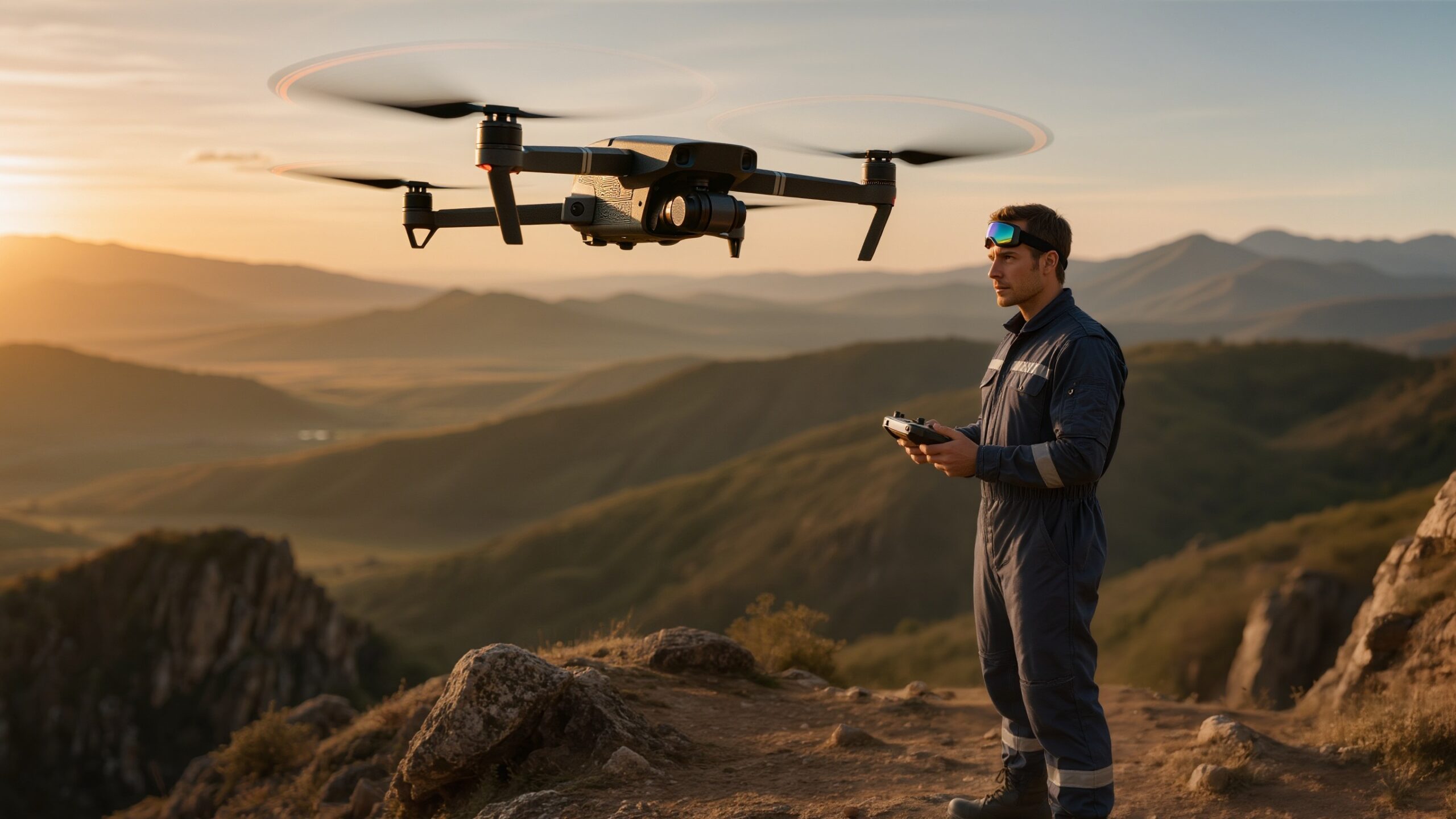
A: A drone is a flying robot; “robot” includes ground, air, and industrial systems.
Q: What makes a drone stable?
A: Fast sensors, control loops, and tuned flight software.
Q: Why is battery life limited?
A: Flight needs constant power; payload and wind increase energy demand.
Q: What is autonomy?
A: The ability to navigate and act with minimal human control.
Q: Can drones fly indoors?
A: Yes, but often using vision sensors because GPS is unreliable indoors.
Q: What is obstacle avoidance?
A: Sensors detect hazards so the system can slow, stop, or reroute.
Q: What is SLAM?
A: Simultaneous localization and mapping—tracking position while building a map.
Q: Are drones used professionally?
A: Yes—inspection, mapping, media, agriculture, and emergency response.
Q: What should I prioritize when choosing a drone?
A: Stability, safety features, camera needs, and practical flight time.
Q: How can I learn robotics?
A: Start with sensors, simple control, and small projects that build confidence.