The Future of Robotics: How Intelligent Machines Are Changing the World
Robotics has moved far beyond the pages of science fiction. What once felt like a futuristic dream has become one of the most important technological shifts of the modern era. Intelligent machines are no longer limited to laboratories or factory floors. They are entering hospitals, warehouses, homes, farms, classrooms, and city streets, quietly transforming how people live and work. The future of robotics is not a distant possibility. It is unfolding right now, driven by rapid advances in artificial intelligence, sensors, automation, connectivity, and computing power. What makes this moment so exciting is that robotics is becoming both more capable and more accessible at the same time. Machines can now see, navigate, learn, adapt, and collaborate in ways that were once impossible. They can inspect dangerous environments, support surgeons in operating rooms, move goods through vast logistics networks, and help families with daily tasks at home. As robotics continues to evolve, it promises not just faster machines, but smarter systems that will reshape industries and redefine the relationship between humans and technology.
A: Robotics is the field focused on designing machines that can sense, process, and act in the physical world.
A: No; robots will automate some tasks, but many roles will shift toward oversight, creativity, service, and problem-solving.
A: Manufacturing, logistics, healthcare, agriculture, and warehousing are among the biggest users.
A: Intelligence comes from software, sensors, and data processing that help a machine adapt and respond more effectively.
A: They are part of the future, but many specialized robots will remain more practical for specific tasks.
A: A cobot is a collaborative robot designed to work near people with added safety features and easier programming.
A: Some can improve performance through machine learning, updated models, and repeated data-driven optimization.
A: They improve efficiency, accuracy, safety, and consistency across many demanding tasks.
A: Battery life, cost, real-world adaptability, safety, dexterity, and reliable perception remain major challenges.
A: Robotics will likely become more common in healthcare, delivery, home support, mobility, and smart infrastructure.
What Robotics Really Means Today
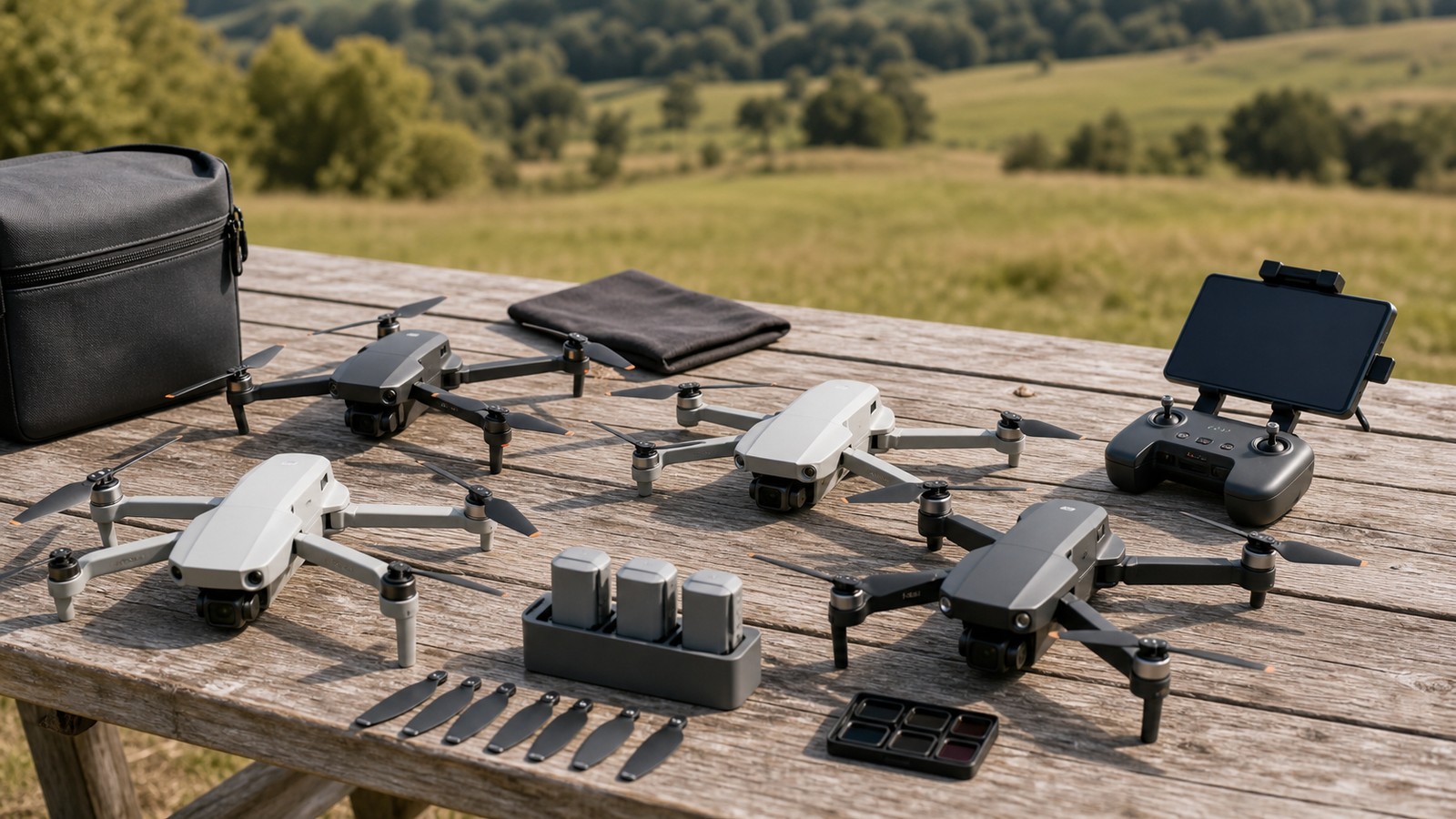
For many beginners, the word robotics brings to mind humanoid machines walking and talking like people. While those systems do exist, modern robotics is much broader and more practical. A robot is essentially a machine that can sense its environment, process information, and perform actions with some degree of autonomy or programmed control. That simple framework includes everything from robotic arms in factories to warehouse vehicles, surgical systems, delivery bots, and autonomous drones.
The rise of intelligent robotics comes from combining mechanical engineering with software intelligence. Earlier generations of robots were powerful but rigid. They could repeat a task with incredible consistency, yet they struggled with anything unexpected. Today’s systems are increasingly flexible. They use cameras, LiDAR, pressure sensors, computer vision, and machine learning to react to the world around them. That is what makes robotics one of the defining technologies of the future. It is no longer just about movement. It is about awareness, adaptation, and decision-making.
Why Robotics Is Accelerating So Quickly
The robotics industry is expanding quickly because several major technologies have matured at the same time. Artificial intelligence has improved pattern recognition and decision-making. Better batteries have made mobile robots more practical. Sensors have become cheaper and more precise. Cloud computing and edge processing allow robots to work with enormous amounts of data. Faster wireless networks let machines communicate in real time. When these pieces come together, the result is a new generation of machines that can operate in more places, handle more complexity, and deliver more value. Businesses are also under pressure to become faster, safer, and more efficient. Robotics helps solve labor shortages, reduce repetitive strain injuries, improve consistency, and keep operations running around the clock. In sectors where errors are costly or environments are dangerous, robots offer a compelling advantage. This mix of technological progress and practical demand is why robotics is moving from a specialized field into a core part of the global economy.
Robotics in Industry and Manufacturing
Manufacturing remains one of the clearest examples of how intelligent machines are changing the world. Industrial robots have been used for decades for welding, painting, assembly, and packaging, but the systems of the future are becoming far more sophisticated. Instead of staying locked inside cages performing a single repeated motion, many modern robots are designed to work alongside people. These collaborative robots, often called cobots, can assist workers with lifting, sorting, fastening, and precision tasks while adapting to changing conditions on the production line.
This shift matters because modern manufacturing demands flexibility. Companies need to produce smaller batches, adjust faster to market trends, and maintain high quality. Intelligent robots help make that possible. They can detect defects through vision systems, change behavior based on sensor input, and operate with levels of precision that are difficult for humans to maintain over long shifts. As factories become smarter, robotics will continue to play a central role in automation, quality control, and industrial resilience.
The Rise of Robots in Healthcare
Healthcare is another field where robotics is making a profound impact. In operating rooms, robotic surgical systems already help doctors perform delicate procedures with remarkable precision. These machines do not replace surgeons, but they enhance human skill by allowing finer movements, greater control, and less invasive techniques. That often means smaller incisions, quicker recovery times, and improved outcomes for patients. Beyond surgery, healthcare robots are expanding into rehabilitation, elder care, hospital logistics, diagnostics, and telepresence. Robotic exoskeletons can help patients regain mobility after injuries. Autonomous machines can transport supplies through hospital corridors. Social robots may assist older adults with reminders, companionship, and daily support. As populations age and healthcare systems face increasing pressure, intelligent robotics could become essential in improving efficiency while preserving human-centered care.
How Robotics Is Transforming Logistics and Supply Chains
Warehouses and fulfillment centers have become one of the most visible frontiers for robotics. In these environments, speed and coordination are everything. Intelligent mobile robots can move inventory across large facilities, while robotic arms sort packages and pick products with growing accuracy. Instead of relying entirely on human labor for repetitive transport tasks, companies can use machines to streamline movement and reduce bottlenecks.
This transformation goes beyond warehouse walls. Delivery robots, sidewalk bots, autonomous trucking research, and drone-based logistics are all pushing supply chains toward greater automation. The future of commerce will likely depend on networks where machines help move goods from factories to distribution centers to doorsteps more efficiently than ever before. That does not mean people disappear from the process. It means human workers increasingly focus on supervision, problem-solving, and coordination while robots handle repetitive movement and data-driven operations.
Smart Robots in Homes and Everyday Life
One of the most fascinating aspects of robotics is how quietly it is entering everyday life. Home robotics already includes robot vacuums, smart lawn mowers, pool cleaners, and security systems that patrol or monitor spaces automatically. These machines may seem simple compared with industrial or humanoid robots, but they represent an important trend. Robotics is becoming personal, convenient, and increasingly invisible. In the future, home robots are expected to become more capable and more interactive. Instead of doing one narrow task, they may help with household management, elder assistance, inventory tracking, home security, and even entertainment. The key challenge will be making these systems truly reliable in unpredictable home environments. Unlike factories, homes are messy, varied, and constantly changing. Intelligent machines that can handle that complexity will open the door to an entirely new category of consumer technology.
Agriculture, Construction, and Field Robotics
Robotics is also transforming work in fields, farms, and construction zones. In agriculture, autonomous machines can monitor crops, identify weeds, analyze soil conditions, and support precision spraying or harvesting. This matters because farming increasingly depends on doing more with fewer resources. Robots can help reduce waste, improve timing, and support smarter land management.
Construction is seeing similar innovation. Robots and autonomous systems are being used for surveying, site scanning, layout marking, bricklaying experiments, and dangerous inspection work. In these environments, the ability to operate in rough terrain and changing conditions is essential. Field robotics is especially exciting because it pushes machine intelligence into the real world, outside controlled indoor settings. These systems must deal with dust, weather, uneven surfaces, and incomplete information. Solving those challenges is helping robotics become more adaptable and more useful across entire industries.
The Power of AI in Modern Robotics
Artificial intelligence is the force that is pushing robotics into a new era. Traditional robots could follow instructions, but intelligent robots can interpret conditions and improve their performance over time. Computer vision lets machines identify objects, read scenes, and avoid obstacles. Machine learning helps them recognize patterns and make predictions. Natural language tools are opening new possibilities for human-machine interaction. Combined, these advances are making robots feel less like tools and more like systems capable of meaningful cooperation. Even so, robotics is not simply AI with arms and wheels. Real-world machines must deal with weight, balance, friction, energy limits, and hardware reliability. That is why robotics remains one of the most challenging and exciting areas in technology. It requires intelligence in both software and physical execution. The future will belong to systems that combine digital reasoning with real-world performance, allowing robots to understand not just data but environments, tasks, and people.
Human-Robot Collaboration Will Define the Future
Despite the fear that robotics will replace people entirely, the most likely future is one of collaboration rather than total substitution. Robots excel at consistency, endurance, precision, and repetition. Humans excel at judgment, creativity, empathy, adaptability, and big-picture thinking. The most powerful systems of the future will combine those strengths.
In factories, hospitals, offices, and homes, people and machines are increasingly likely to work side by side. A robot may lift heavy items while a human directs workflow. A medical robot may assist with precision while a doctor makes critical decisions. A warehouse system may optimize routing while human supervisors handle exceptions and strategy. This partnership model is important because it frames robotics not only as a labor technology, but as an amplifier of human capability.
The Ethical and Social Questions Ahead
As robotics becomes more common, society will need to answer serious questions about safety, privacy, employment, and accountability. If a robot makes a harmful decision, who is responsible? How should autonomous systems behave in public spaces? What protections should exist when machines collect data in homes, workplaces, or cities? These questions are not theoretical anymore. They are becoming central to how robotics is designed, regulated, and trusted. There is also the question of jobs. Robotics will automate some roles, especially repetitive physical tasks, but it will also create new needs in engineering, maintenance, supervision, integration, training, and systems design. The challenge for society is not simply whether robots will change work. They will. The deeper question is how workers, schools, governments, and businesses prepare for that shift. The future of robotics will be shaped not just by invention, but by how wisely people manage transition and opportunity.
Humanoid Robots and the Next Big Leap
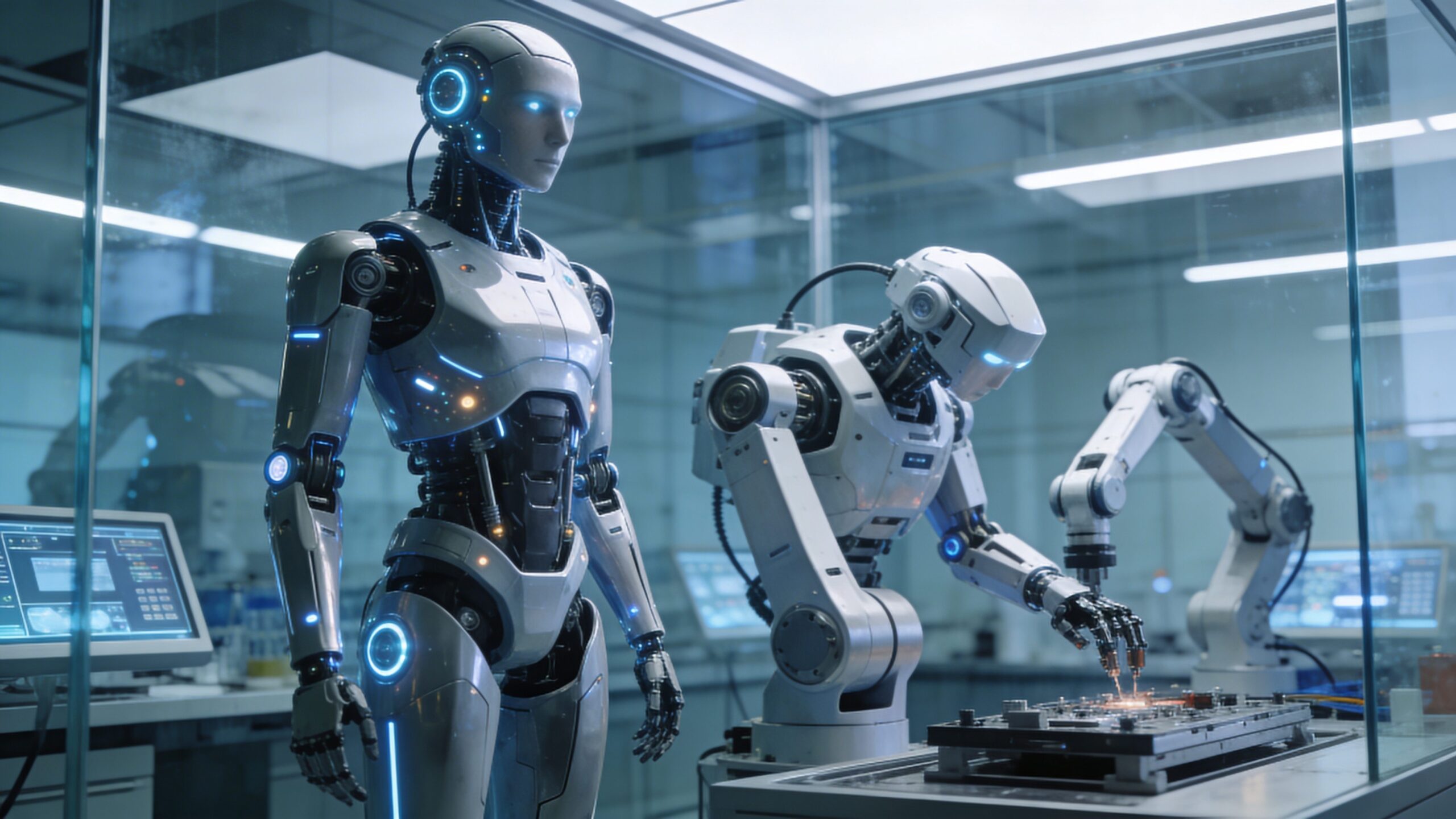
Humanoid robots capture public imagination because they resemble us. Their human-like form makes them appealing for environments designed around people, such as homes, hospitals, retail spaces, and offices. If a machine can walk through doors, use tools, climb stairs, and interact in human spaces, it may be able to take on an extraordinary range of tasks. That is why so many companies are investing in humanoid development.
Still, humanoid robots remain one of the hardest challenges in engineering. Walking reliably, handling delicate objects, preserving battery life, understanding speech, and operating safely in complex environments are all difficult problems. Progress is real, but widespread practical deployment will depend on cost, durability, and usefulness. Even so, the momentum behind humanoid robotics signals where the industry wants to go: toward machines that are not only specialized, but increasingly general.
What the Future May Look Like
The future of robotics will likely be defined by intelligent machines that are more autonomous, more connected, and more deeply integrated into daily life. Warehouses may run with fleets of coordinated mobile systems. Hospitals may rely on robotic assistants for logistics and patient support. Smart cities may use machines for inspection, maintenance, and rapid delivery. Farms may be monitored by autonomous platforms that respond to crop conditions in real time. Homes may gradually gain robotic helpers that become as common as appliances. At the same time, robotics will remain a human story. These machines are being built to solve human problems, extend human reach, and increase what people can accomplish. The most important breakthroughs may not come from spectacle, but from systems that quietly save time, reduce risk, improve quality, and expand access to services. Intelligent machines are changing the world not because they are futuristic, but because they are becoming practical.
A World Being Reshaped by Robotics
Robotics is entering a defining stage in its evolution. Intelligent machines are moving beyond isolated tasks and into broader roles across society. They are helping build products, deliver goods, support doctors, assist families, monitor infrastructure, and expand what is possible in countless industries. The future of robotics is not simply about faster automation. It is about smarter systems that blend mechanics, data, and intelligence into useful real-world tools.
For beginners, the most important thing to understand is that robotics is no longer a niche subject. It is becoming part of the fabric of modern life. As machines grow more capable, the world will need people who understand how they work, where they add value, and how they should be used responsibly. The future of robotics is exciting because it is not just changing machines. It is changing the shape of opportunity itself.