Best Desktop Computers in 2026: Top Picks for Every Budget
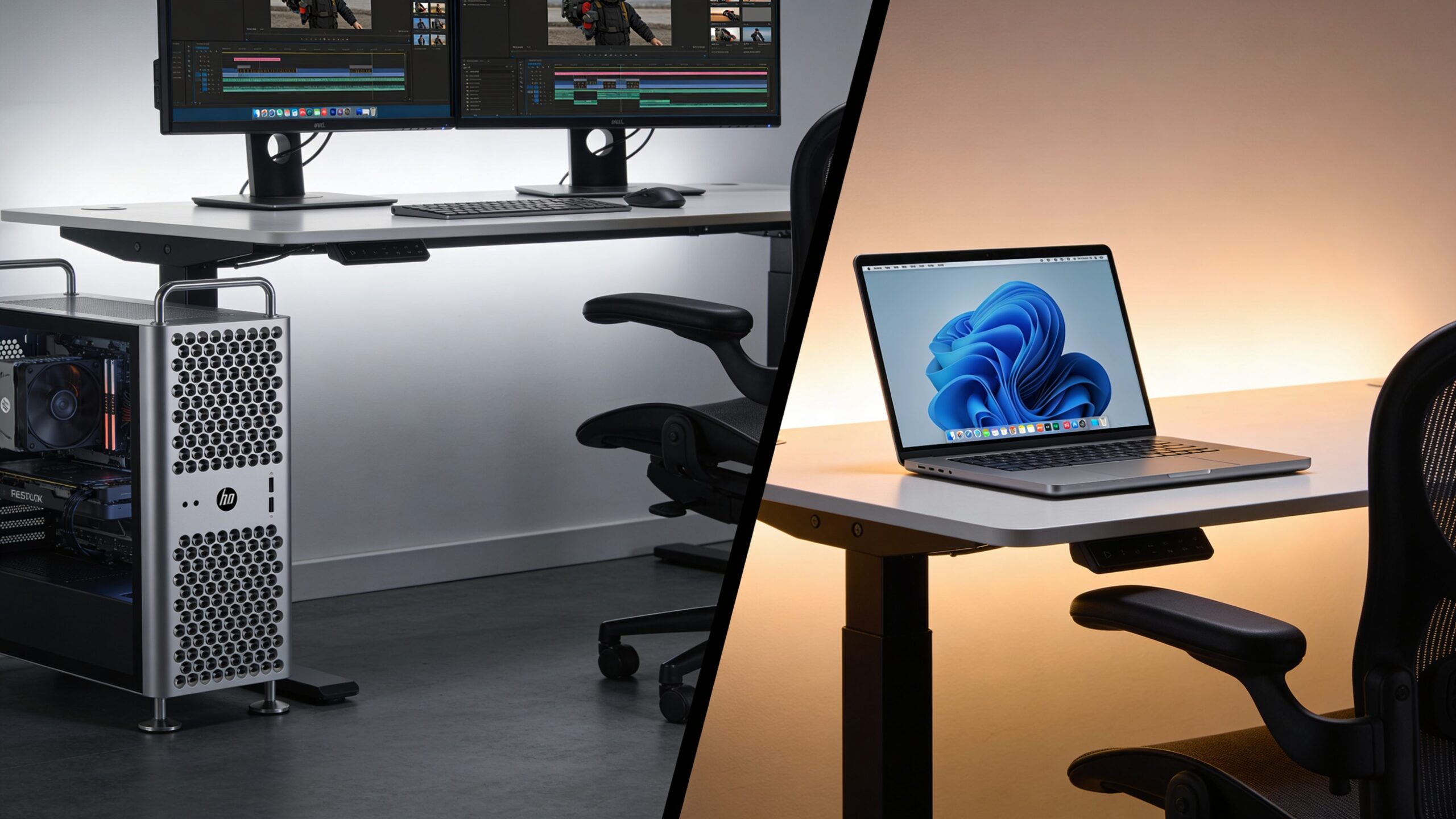
Desktop computers remain one of the best ways to get strong performance, long-term value, and a comfortable workspace. In 2026, the best desktop is not simply the most powerful tower on the shelf. It is the system that matches the user’s workload, budget, space, noise tolerance, upgrade plans, and display needs. A student, gamer, developer, designer, office worker, and home user may all need different desktop priorities.
A: For power and upgrades, yes.
A: 16GB is ideal for most users.
A: SSD for speed and reliability.
A: Most desktops allow upgrades.
A: Only for gaming or creative tasks.
A: Typically 5–8 years.
A: Usually limited upgrades.
A: Only for high-performance builds.
A: Both Intel and AMD are strong.
A: Mini PCs offer portability.
Budget Desktops Should Cover the Basics Well
A good budget desktop should handle web browsing, documents, video calls, streaming, light photo editing, and everyday multitasking without feeling slow. Look for enough memory, a modern processor, solid-state storage, Wi-Fi, Bluetooth, and enough ports for monitors and peripherals. A cheap desktop with poor storage or too little memory can feel old quickly.
All-in-One Desktops Save Space
All-in-one systems combine the computer and display into one unit. They are clean, simple, and attractive for kitchens, dorms, offices, reception desks, and family rooms. The tradeoff is repairability. All-in-ones are usually harder to upgrade than towers, so buyers should choose a configuration that will remain comfortable for several years.
Gaming Desktops Need GPU Balance
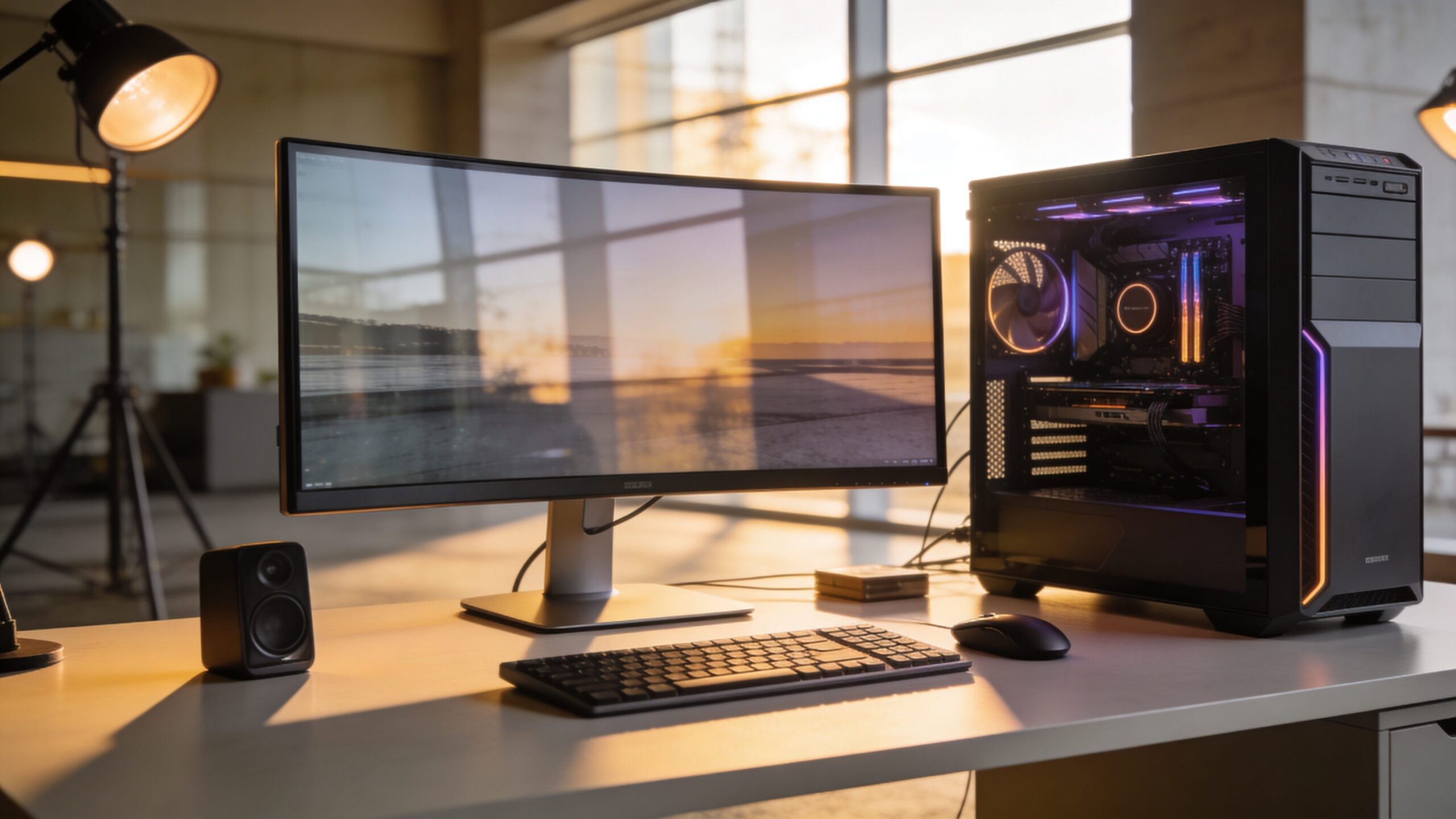
For gaming, the graphics card often matters more than the processor. The best gaming desktop balances GPU power, CPU performance, memory, cooling, and monitor resolution. A high-end GPU is wasted if the monitor cannot show the extra frames or detail. Match the desktop to the display target: 1080p, 1440p, 4K, high refresh, or ultrawide.
Creator Desktops Need Sustained Speed
Video editors, 3D artists, musicians, photographers, and streamers need more than short bursts of performance. They need sustained speed under long workloads. Cooling, memory capacity, fast storage, GPU acceleration, and reliable ports for external drives or audio gear can matter more than a flashy case.
Business Desktops Prioritize Manageability
Office desktops should be reliable, quiet, secure, and easy to support. Features such as warranty coverage, remote management, standardized parts, and good documentation can matter more than raw speed. For businesses, downtime is expensive. A slightly more expensive system with better support may be cheaper over its lifetime.
Mini PCs Are Stronger Than Ever
Mini PCs now handle many everyday and professional tasks while using little space and power. They work well for home offices, media centers, digital signage, light development, and compact desks. They are not ideal for every gaming or workstation workload, but they are excellent when quiet operation and small size matter.
Ports and Expansion Still Matter
A desktop should have enough USB ports, display outputs, networking options, audio connections, and internal expansion for the user’s setup. Ports are easy to overlook until the desk fills with hubs and adapters. A good desktop should connect cleanly to the devices used every day.
Noise and Cooling Affect Daily Comfort
A desktop that sounds like a fan tunnel can become tiring, especially in a bedroom, studio, or shared office. Good cooling design keeps performance stable while controlling noise. Larger fans, airflow-focused cases, and efficient components often make a system more pleasant to use.
Upgrade Paths Extend Value
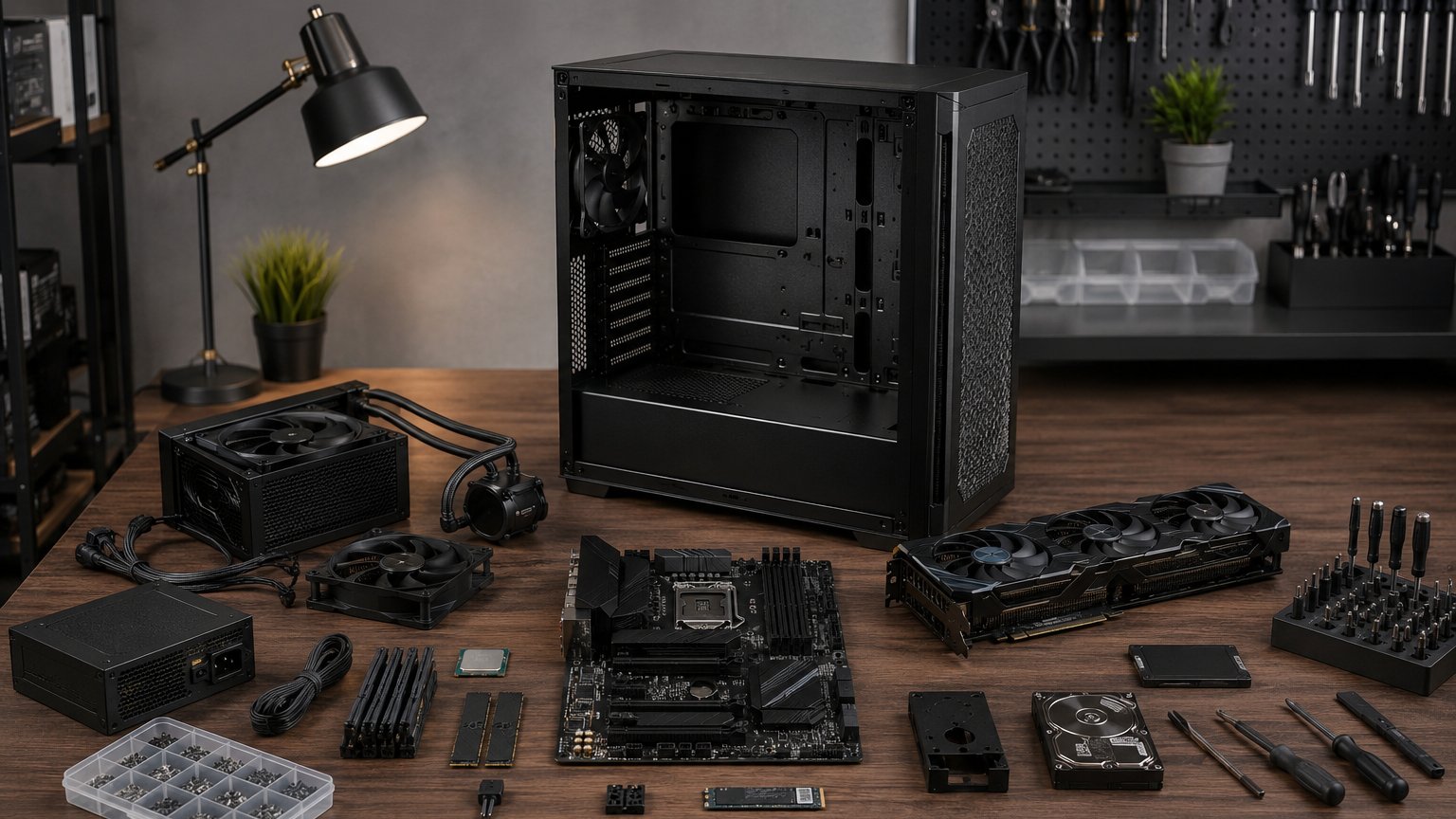
One reason desktops remain appealing is the ability to upgrade memory, storage, graphics, cooling, or peripherals over time. Buyers should check whether the case, motherboard, power supply, and layout allow upgrades. Some prebuilt desktops use proprietary parts that limit future changes.
The Best Pick Depends on the Workload
There is no single best desktop for everyone. A quiet mini PC can be perfect for office work, while a full tower may be right for gaming or rendering. Choose by workload first, then compare price, support, noise, ports, upgrade options, and display needs. That approach produces a better match than chasing the biggest specification sheet.
What to Check Before You Commit
Before relying on the best desktop computers in 2026 balance performance, cooling, upgrade paths, ports, noise, and total cost, check the practical requirements: hardware, software, accounts, subscriptions, setup time, security settings, and the level of technical comfort required. A tool that looks simple in a demo can feel very different when it has to fit a real home, office, school, or small business.
The best decision comes from matching the technology to the user rather than forcing the user to adapt to the technology. Think about who will maintain it, who will troubleshoot it, and whether the benefit is still clear after the excitement fades.
Compatibility Can Decide the Experience
Technology rarely operates alone. Devices, apps, operating systems, browsers, accessories, accounts, file formats, and networks all have to work together. Compatibility problems are one of the fastest ways for a good idea to become frustrating. A careful buyer or user should check platform support, update policies, export options, and whether the tool works with what they already own. The smoother the fit, the more likely the technology becomes useful instead of becoming another isolated gadget or app.
Security Should Be Built In Early
Every connected technology brings some security responsibility. Strong passwords, multi-factor authentication, software updates, trusted downloads, careful permissions, and backup plans matter even for tools that seem ordinary. Security is easier when it is part of the setup from the beginning. Waiting until something goes wrong can make recovery harder, especially when accounts, personal files, financial information, or work data are involved.
Privacy Deserves a Plain-Language Review
Many modern tools collect data about behavior, location, usage, voice, images, files, or user choices. That data can improve features, but it can also create exposure if settings are unclear or policies change. A practical privacy review asks what is collected, where it is stored, who can access it, whether it can be deleted, and whether the tool still works if optional tracking is turned off. People should not have to trade unnecessary information for basic convenience.
Cost Is More Than the Purchase Price
The sticker price rarely tells the whole story. Subscriptions, accessories, cloud storage, replacement parts, electricity, repairs, warranties, training time, and switching costs can all change the real value. A smart technology decision includes the first year of ownership and the likely cost after that. If a product becomes expensive only after the user is locked in, the initial bargain may not be a bargain at all.
Maintenance Keeps Technology Useful
Good technology still needs care. Updates must be installed, files need organization, batteries wear down, settings drift, accounts change, and hardware eventually ages. Maintenance does not have to be complicated, but it should be expected. A simple routine of updates, backups, password review, cleaning, and occasional performance checks can extend the useful life of almost any technology.
Accessibility Makes Better Products
Accessible technology helps more people use the same tool comfortably. Good contrast, readable text, keyboard support, captions, voice control, adjustable notifications, and clear error messages are not niche features. They also improve the experience for everyone. A product that is easier to see, hear, understand, repair, and control is usually a better product, even for users who do not think of themselves as needing accessibility support.
When to Upgrade and When to Wait
New technology creates pressure to upgrade, but the best time to buy is not always the launch window. Early products can be expensive, buggy, limited, or dependent on standards that are still settling. Waiting can bring better prices, stronger reviews, software updates, and clearer compatibility. Upgrade when the new tool solves a real problem, not only because it feels newer than what already works.
The Human Factor Still Matters
The success of the best desktop computers in 2026 balance performance, cooling, upgrade paths, ports, noise, and total cost depends on people as much as specs. Training, habits, patience, trust, and clear expectations shape whether a tool becomes part of daily life. A technically powerful system can fail if users do not understand it or do not want it. A simpler system can succeed when it fits the way people already think, work, learn, and communicate.
A Practical Way to Judge the Technology
The easiest way to judge the best desktop computers in 2026 balance performance, cooling, upgrade paths, ports, noise, and total cost is to ask what changes after adoption. Does it save time, reduce risk, improve quality, make information clearer, or open a capability that was not realistic before? If the answer is vague, wait. Strong technology does not need inflated promises. It earns trust by working consistently, explaining its limits, and making life or work measurably easier.
Setup Quality Shapes Long-Term Results
Many technology problems begin during setup. Rushed configuration can lead to weak passwords, messy accounts, confusing names, missing backups, disabled updates, or devices placed where they perform poorly. A careful setup does not need to be slow, but it should be deliberate. Label devices clearly, write down recovery methods, check update settings, and confirm that the most important features work before depending on the system.
Troubleshooting Should Be Part of the Plan
Every technology eventually needs troubleshooting. Apps freeze, networks drop, devices stop syncing, storage fills up, and settings change after updates. The best tools make recovery understandable. Clear error messages, searchable support pages, export options, reset steps, and human support channels can matter as much as headline features when something breaks.
Performance Claims Need Context
Speed, battery life, storage, response time, and reliability often depend on real conditions. A product may perform well in ideal tests but slow down with older hardware, weak networks, large files, or heavy multitasking. When comparing options, look for reviews and examples that resemble your actual use. The right question is not only how fast the tool can be, but how consistently it performs under ordinary pressure.
Ownership and Exit Options Matter
Modern technology often depends on accounts, cloud services, app stores, and subscriptions. That can be convenient, but it can also make users dependent on a provider’s prices, policies, and long-term support. A healthy setup includes exit options. Users should know whether they can export files, move data, switch platforms, keep local copies, or continue using the product if a service changes.
A Good Upgrade Should Reduce Friction
The simplest test is whether the technology removes more friction than it creates. A new system should make a task clearer, faster, safer, more reliable, or more accessible. If it adds more alerts, accounts, cables, chargers, settings, or confusion than the old method, it may not be an upgrade yet. Mature technology earns its place by becoming easier to live with over time.
Documentation Saves Future Time
A few notes can prevent future headaches. Record important account names, warranty details, device models, setup choices, backup locations, and any settings that were changed from the default. Documentation is especially useful when technology is shared by a household or team. If only one person understands the setup, every small problem becomes dependent on that person being available.
The Best Version Feels Useful After the Novelty Fades
New technology often feels exciting during the first week. The better test comes later, when the product is no longer new and the user simply expects it to work. If the best desktop computers in 2026 balance performance, cooling, upgrade paths, ports, noise, and total cost still saves time, reduces stress, improves quality, or makes a task easier after the novelty fades, it is probably serving a real purpose rather than just adding another layer of complexity.
Bottom Line on Desktop Computers in 2026
The best desktop computer is the one that fits the user’s real workload and desk setup. Performance matters, but cooling, noise, ports, repairability, warranty support, and total ownership cost are what make a desktop feel good over time.
Final Buying Perspective
The safest technology choice is the one that still makes sense after the comparison chart is closed. A product should fit the space, the budget, the user, the maintenance plan, and the software or service ecosystem around it. That practical view keeps the decision grounded. Strong technology does not have to be perfect, but it should make the next few years easier instead of adding avoidable complexity.